
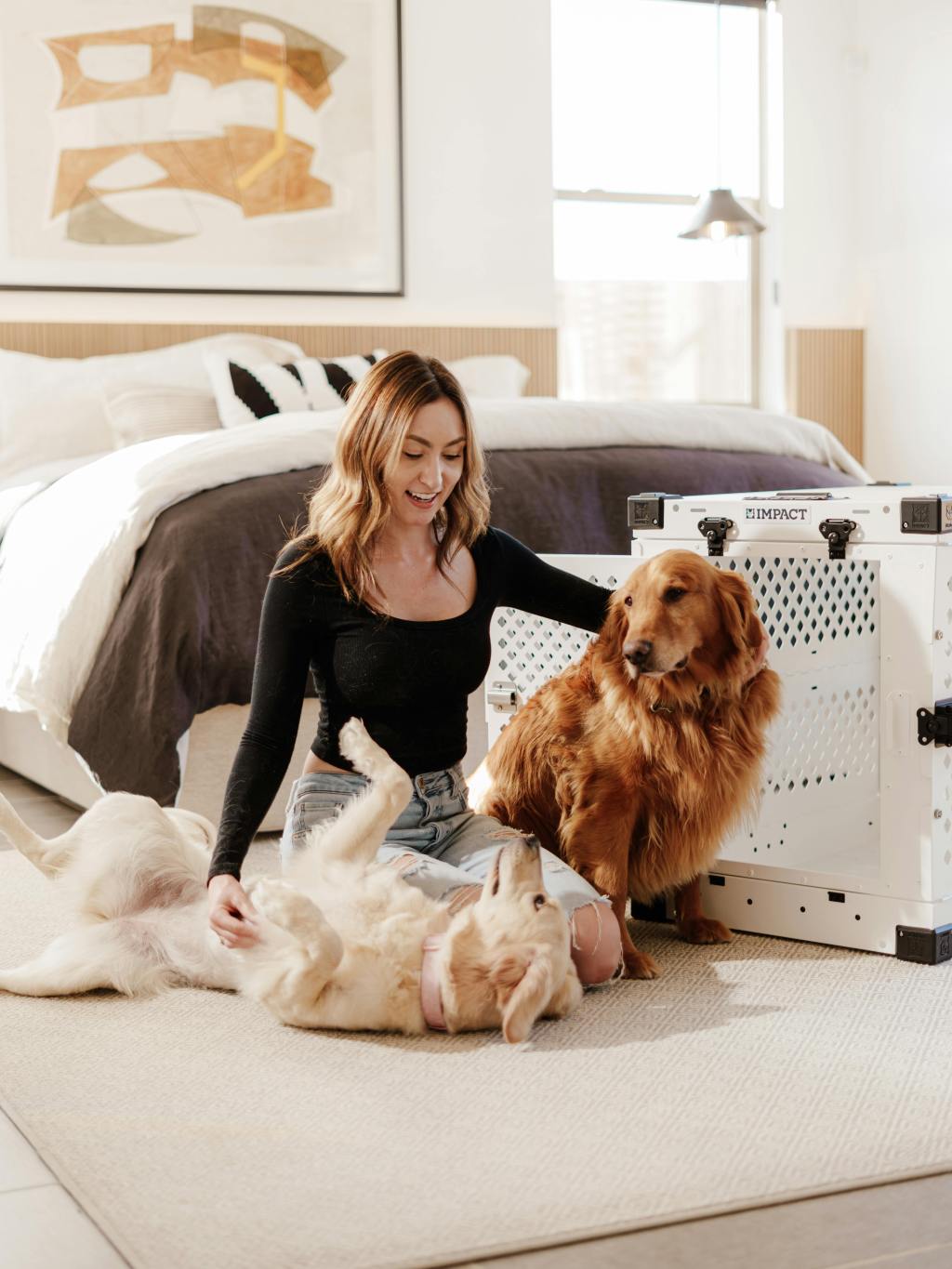
Crate training can be a game-changer when it comes to keeping your dog safe, calm, and well-behaved. However, not all dogs take to crates naturally. In fact, some may show resistance or anxiety at first. The key is to make the crate an inviting, positive space that your dog genuinely enjoys spending time in.
In this guide, we’ll share professional trainer tips to help your dog not just tolerate their crate but truly love it. With the right approach and a little patience, your dog will view their crate as a personal sanctuary.
Why Do Dogs Need to Love Their Crate?
A crate isn’t just a holding pen; it’s a safe haven where your dog can retreat and feel secure. When your dog loves their crate, it becomes a positive, calming environment that they naturally gravitate towards, especially during stressful situations.
According to the American Kennel Club (AKC), crate training helps with housebreaking, reduces anxiety, and promotes positive behavior. Building a positive association with the crate from the start will make it much easier to use as a training tool and safe space.
1. Choose the Right Crate
The first step in making your dog love their crate is selecting the right one. A poor choice can make your dog feel trapped or uncomfortable.
What to Look For:
- Sturdy Construction: Opt for a durable, escape-proof crate like those from Impact Dog Crates that withstand even the most determined escape attempts.
- Proper Ventilation: Airflow is crucial to keep your dog comfortable.
- Correct Sizing: Your dog should be able to stand up, turn around, and lie down comfortably.
- Cozy Interior: Soft bedding and a favorite toy can make the space feel welcoming.
A well-constructed, comfortable crate is the foundation of successful crate training.
2. Introduce the Crate Gradually
One of the biggest mistakes dog owners make is rushing crate introduction. Forcing your dog inside will only create fear and resistance. Instead, take it slow and let your dog explore the crate at their own pace.
Step-by-Step Introduction:
- Place the Crate in a Comfortable Spot: Make sure it’s in a familiar, quiet area where your dog can feel secure.
- Leave the Door Open: Let your dog approach and investigate without any pressure.
- Toss Treats Inside: Drop high-value treats just inside the door and gradually farther back. This encourages your dog to enter willingly.
- Praise and Reward: Use verbal praise and treats whenever your dog steps inside or even sniffs the crate.
Allowing your dog to become familiar with the crate without feeling forced builds positive associations.
3. Make the Crate a Happy Place
Creating positive experiences inside the crate is crucial for long-term success. Turn the crate into a rewarding and pleasant environment that your dog looks forward to entering.
Ways to Make the Crate Irresistible:
- Feed Meals Inside: Serve your dog’s food inside the crate to establish a positive connection.
- Use Special Toys: Reserve their favorite chew toy or puzzle only for crate time.
- Add a Comforting Blanket: A familiar scent or soft fabric can help your dog feel secure.
Making the crate a happy place ensures that your dog views it as a space of relaxation rather than confinement.
4. Practice Short, Positive Sessions
If your dog is resistant to being crated, start with very short sessions and gradually increase the time. Always make it a positive experience, and never use the crate as punishment.
Training Tips:
- Start with 5-10 Minutes: Sit near the crate and offer praise when your dog remains calm.
- Gradually Increase Time: Extend crate sessions by a few minutes at a time, always rewarding calm behavior.
- Use Calming Signals: Speak softly and remain calm, as your energy influences your dog’s response.
Short, positive sessions build confidence and help your dog develop a routine without feeling trapped.
5. Incorporate Crate Time into Daily Life
Your dog needs to see the crate as a normal part of their routine rather than a place they’re sent when you’re leaving. Make crate time a regular, positive experience even when you’re at home.
Ways to Normalize Crate Time:
- Naps in the Crate: Encourage your dog to rest there during the day.
- Reward Calm Behavior: Praise and treat your dog when they choose to enter the crate on their own.
- Leave the Door Open Sometimes: Allow free access to the crate when not actively training.
Consistency helps your dog view the crate as just another part of life rather than a source of stress.
6. Handle Separation Gradually
Separation anxiety can be a major hurdle in crate training. Leaving your dog alone too quickly can create fear and make the crate feel like a punishment.
Gradual Alone Time:
- Step Out Briefly: Leave the room for short periods while your dog is crated.
- Increase Absence Slowly: Gradually extend the time you’re away, always rewarding calmness when you return.
- Stay Calm During Departures: Avoid making a big fuss when leaving or returning to keep emotions balanced.
According to the National Library of Medicine (NIH), gradual exposure to alone time significantly reduces stress and helps dogs adjust to crate time more positively.
7. Reward Calm and Quiet Behavior
If your dog whines or barks when crated, it’s essential not to reinforce that behavior by letting them out. Instead, wait for a moment of quiet and then calmly open the door.
Training Quiet Behavior:
- Ignore Whining: As long as your dog isn’t in distress, wait for them to settle down before opening the crate.
- Reward Calmness: Offer praise and a treat when they remain quiet.
- Practice Often: Reinforcing calm behavior helps your dog learn that being quiet in the crate leads to positive outcomes.
8. Troubleshooting Common Problems
Some dogs may resist crate training despite your best efforts. In these cases, consider using calming aids like pheromone diffusers or anxiety wraps. You can also try adjusting the crate location or adding more familiar items to reduce stress.
If your dog continues to resist, revisit the basics and make sure you’re not rushing the process. Patience and consistency are crucial, especially with more anxious or stubborn dogs.
Final Thoughts: Turning Crate Time into a Positive Experience
Crate training doesn’t have to be a struggle. By making the crate inviting, rewarding calm behavior, and gradually increasing crate time, you can help your dog see it as a safe and comfortable space.
Investing in a durable, secure crate from Impact Dog Crates makes all the difference. With the right setup and training approach, your dog will learn to love their crate and use it as a refuge from stress and noise.
Start crate training today with confidence and patience, and watch your dog transform their crate from a dreaded place to a beloved retreat!
 Top Dog Training Tips
Leave a comment