
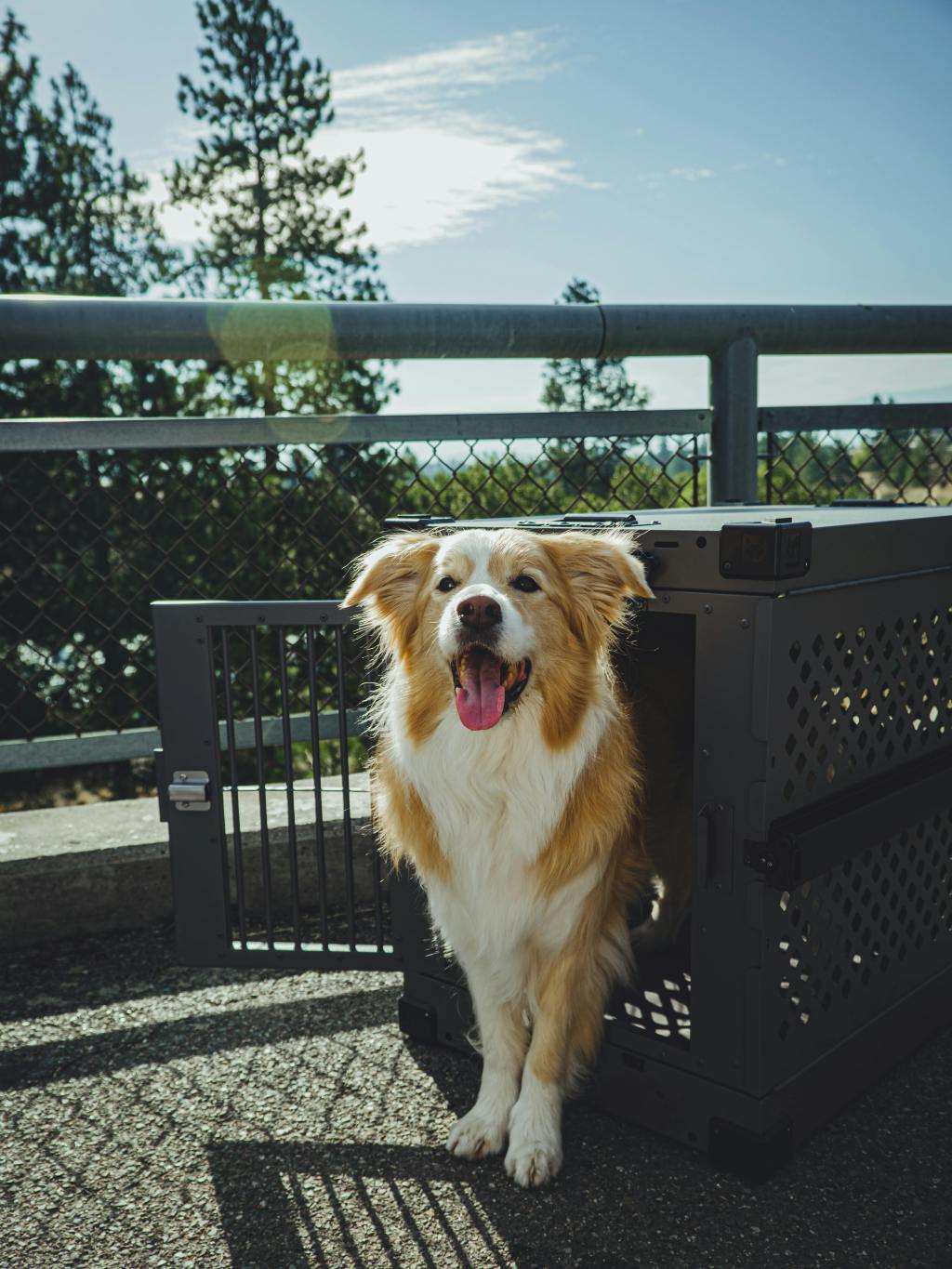
Destructive chewing is one of the most common behavioral problems faced by dog owners. Whether it’s gnawed furniture, shredded shoes, or torn-up cushions, this behavior can be frustrating and costly. Luckily, crate training is an effective solution that not only curbs destructive chewing but also creates a safe and secure environment for your dog.
When done correctly, crate training reduces anxiety, teaches boundaries, and provides a safe haven where your dog can relax without causing damage to your belongings. In this article, we’ll explore why crate training is essential for managing chewing behavior and how to make it a positive experience for your furry friend.
Why Do Dogs Chew Destructively?
Before diving into crate training, it’s important to understand why dogs chew destructively. Chewing is a natural behavior for dogs, serving several purposes:
- Teething (Puppies): Young dogs chew to relieve the discomfort of teething.
- Boredom: A lack of mental stimulation can lead to chewing as a way to pass the time.
- Anxiety and Stress: Dogs often chew to self-soothe when feeling anxious or overwhelmed.
- Exploration and Play: Some dogs chew as a form of play or to explore their environment.
While chewing is natural, destructive chewing occurs when your dog targets inappropriate items or chews excessively. Crate training helps address the root causes while promoting positive habits.
How Crate Training Helps Reduce Destructive Chewing
Crate training works because it provides structure and security while minimizing opportunities for destructive behavior. According to the American Kennel Club (AKC), crate training not only helps with housebreaking but also keeps dogs safely contained when unsupervised. This is particularly useful for managing chewing tendencies.
Here’s how crate training helps reduce destructive chewing:
1. Limits Unsupervised Access
One of the main reasons dogs chew destructively is because they have access to too many tempting objects. Crate training limits your dog’s access to areas where they might find shoes, pillows, or furniture to gnaw on.
By keeping your dog safely crated when you’re not around to supervise, you eliminate the opportunity for them to engage in inappropriate chewing. This controlled environment reduces the risk of costly damage and keeps your dog safe from ingesting harmful items.
2. Creates a Safe and Comfortable Space
Dogs chew out of anxiety or stress, especially when left alone. A well-designed crate becomes a calming retreat where your dog feels secure and relaxed. The sense of safety helps reduce anxiety-driven chewing, giving your dog a peaceful place to unwind.
Make the crate as inviting as possible by adding soft bedding and familiar scents, like a shirt with your scent on it. Including a durable chew toy inside the crate can satisfy their natural chewing instincts without causing damage to your belongings.
3. Establishes Boundaries and Routine
Dogs thrive on routine and structure. Crate training helps establish clear boundaries, teaching your dog when it’s time to rest and when it’s time to play. This routine helps them understand that chewing on personal items is not acceptable while encouraging appropriate chewing behavior inside the crate.
Setting consistent crate times, such as during naps, bedtime, or when you’re out, helps your dog recognize that the crate is a designated space for calmness and relaxation.
Choosing the Right Crate for Chewing Dogs
To effectively reduce destructive chewing, it’s essential to choose a crate that is both secure and chew-proof. Flimsy crates or those made of plastic are easily destroyed by determined chewers, leading to both escape and potential injury.
Recommended Crate: Impact Dog Crates
- Durable Construction: Made from high-quality aluminum, these crates are chew-proof and escape-resistant.
- Ventilation and Comfort: Proper airflow keeps your dog comfortable while the solid build provides a den-like feel.
- Security Features: Strong latches and reinforced corners ensure safety, even for the most determined chewers.
Investing in a high-quality crate like those from Impact Dog Crates ensures your dog remains safe and secure while preventing damage to your home.
Positive Reinforcement and Chewing Alternatives
To make crate training successful and enjoyable, use positive reinforcement and offer suitable alternatives for chewing. Here’s how to integrate these strategies:
1. Reward Calm Behavior Inside the Crate
Always reward your dog when they enter the crate willingly or remain calm inside. Treats, praise, and gentle petting help build a positive association.
2. Provide Chew-Appropriate Toys
Add durable chew toys to the crate to satisfy your dog’s natural urge to chew. Look for toys that are specifically designed for heavy chewers and avoid items that could splinter or break apart.
3. Use Interactive Treat Dispensers
KONG toys filled with peanut butter or frozen treats keep your dog engaged and focused on appropriate chewing activities. This not only prevents boredom but also helps build positive associations with crate time.
Training Tips to Stop Destructive Chewing
While crate training is highly effective, combining it with additional training techniques enhances the results:
1. Supervise During Free Time
When your dog is out of the crate, keep a close eye on them. Redirect chewing behavior immediately if they start on something inappropriate.
2. Reinforce Chewing on Toys Only
Praise your dog whenever they chew on their designated toys. Make it clear that these are the only acceptable items for chewing.
3. Avoid Punishment
Never scold your dog for chewing on inappropriate items. Instead, guide them towards acceptable chew toys and reward the correct behavior. According to the National Library of Medicine (NIH), positive reinforcement is more effective than punishment in reducing anxiety-related behaviors.
Common Mistakes to Avoid
- Using the Crate as Punishment
Your dog should never associate the crate with negative experiences. Always use positive reinforcement to make crate time enjoyable. - Inconsistent Training
Consistency is key when teaching your dog to love their crate. Stick to a routine and practice crate time daily. - Ignoring Your Dog’s Comfort
A crate that’s too small or lacks proper bedding can cause discomfort and stress. Always make the crate as inviting as possible.
Final Thoughts: A Safe and Happy Dog
Crate training is one of the most effective ways to reduce destructive chewing and promote positive behavior. By creating a safe, comfortable environment and offering suitable chew toys, you guide your dog toward healthier habits.
Impact Dog Crates provide the durability and security needed for successful crate training, making them an excellent choice for even the most persistent chewers. With positive reinforcement, consistency, and the right setup, you’ll see your dog’s destructive chewing habits diminish while they develop a calm, relaxed demeanor.Ready to take control of destructive chewing and give your dog a safe space? Explore the durable and reliable options at Impact Dog Crates today and set your dog up for success!
 Top Dog Training Tips
Leave a comment