
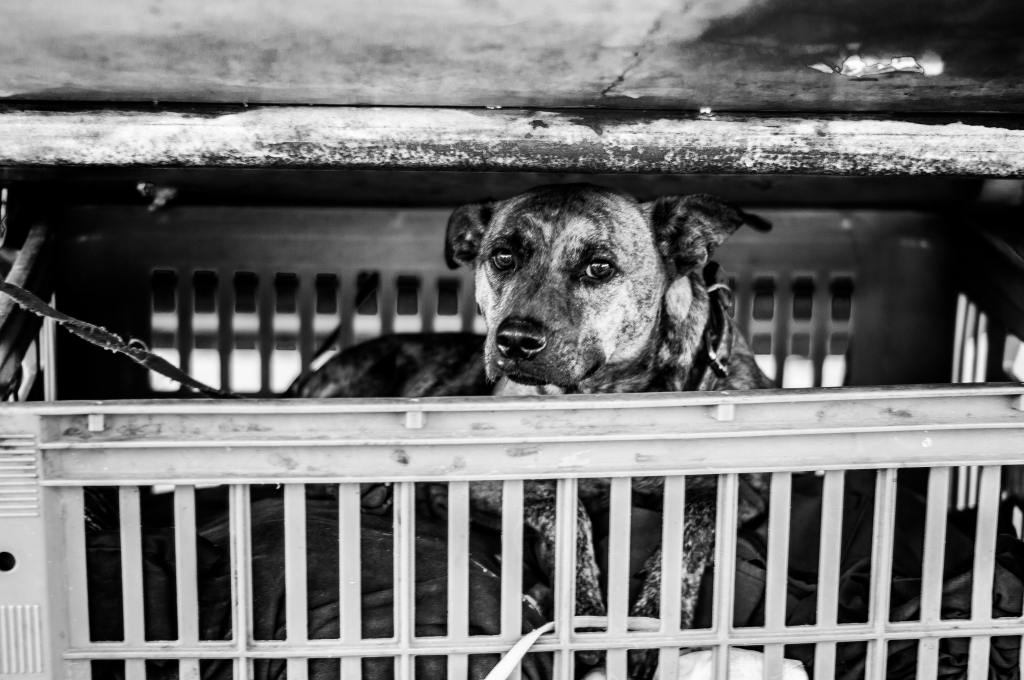
Crate training is one of the most effective ways to provide your dog with a secure, comfortable place to relax and unwind. However, not all dogs naturally see their crate as a safe space. Some may feel anxious, stressed, or even resistant to entering. The key to successful crate training lies in making the crate a positive and inviting environment that your dog genuinely enjoys.
In this article, we’ll explore the best strategies for teaching your dog to view their crate as a safe haven. With the right approach and a bit of patience, your dog will soon find comfort and security inside their crate.
Why Crate Training Matters
A crate is more than just a containment tool—it’s a place where your dog can feel safe and relaxed. Dogs are naturally den animals, and when introduced properly, a crate can become their personal sanctuary. According to the American Kennel Club (AKC), crate training helps reduce anxiety, prevents destructive behavior, and supports housebreaking efforts.
Creating positive associations with the crate is essential for helping your dog see it as more than just a place of confinement. Let’s dive into the steps to make this transformation happen.
1. Choose the Right Crate for Comfort and Safety
Selecting the right crate is crucial to your dog’s comfort and sense of security. A well-built, sturdy crate like those from Impact Dog Crates offers durability and peace of mind, especially for dogs prone to anxiety or escape attempts.
Features to Look For:
- Durable Construction: Prevents breakouts and chewing damage.
- Proper Ventilation: Ensures airflow and comfort.
- Comfortable Size: Your dog should be able to stand, turn around, and lie down easily.
- Cozy Interiors: Add soft bedding and a familiar toy for added comfort.
Investing in a quality crate helps your dog feel secure and protected, making it easier to establish positive associations.
2. Make the Crate Inviting from Day One
The way you introduce the crate sets the tone for your dog’s perception of it. Avoid forcing your dog inside or closing the door immediately. Instead, encourage curiosity and positive exploration.
Steps to Introduce the Crate Positively:
- Leave the Door Open: Allow your dog to investigate freely.
- Use Treats and Toys: Place high-value treats just inside the entrance, gradually moving them deeper into the crate.
- Praise and Reward: Celebrate every step your dog takes toward the crate with verbal encouragement and more treats.
- Create a Cozy Space: Use a soft, comfortable mat and add a toy or blanket with your scent to make it inviting.
Taking it slow helps your dog build confidence and feel less pressured.
3. Build Positive Associations with the Crate
Your dog needs to see the crate as a place where good things happen. Use positive reinforcement techniques to make crate time enjoyable.
Ways to Create Positive Associations:
- Feed Meals Inside the Crate: Food is a strong motivator and helps build a positive connection.
- Treat Time Only in the Crate: Reserve special treats exclusively for crate sessions.
- Calm Praise and Petting: Offer gentle affection when your dog willingly enters the crate.
The more your dog associates the crate with positive experiences, the quicker they’ll learn to love it.
4. Practice Short, Positive Sessions
Long, stressful crate sessions can quickly lead to anxiety. Start with brief periods inside the crate while you’re nearby, and gradually increase the duration as your dog becomes more comfortable.
Training Tips:
- Start with 5-10 Minutes: Keep initial sessions short and positive.
- Stay Close: Sit nearby and talk softly to reassure your dog.
- Gradually Increase Time: Once your dog seems relaxed, extend the crate time little by little.
Short, successful sessions build confidence without overwhelming your dog.
5. Make Crate Time Part of Daily Routine
Dogs thrive on routine, and incorporating crate time into their daily schedule helps normalize its use. Make crate time a regular occurrence rather than an occasional event.
Routine Ideas:
- Naptime: Encourage your dog to use the crate for daytime rests.
- Quiet Time: Use the crate during busy family activities to give your dog a peaceful retreat.
- Bedtime: Crate training at night helps establish a sleep routine and reduces separation anxiety.
The more consistent you are, the faster your dog will understand that the crate is a safe and familiar space.
6. Handle Anxiety and Resistance Calmly
If your dog shows signs of anxiety, it’s important to remain calm and patient. Never force your dog into the crate or use it as punishment. Instead, take a step back and reintroduce the crate more gradually.
Signs of Crate Anxiety:
- Excessive whining or barking
- Scratching or chewing at the crate door
- Pacing or panting inside the crate
If anxiety persists, try using calming aids such as pheromone sprays or placing a comforting item inside the crate. Always prioritize making the crate feel secure rather than confining.
7. Reward Calm Behavior Only
While it’s natural to want to comfort your dog when they’re upset, rewarding anxious behavior can reinforce the fear. Instead, only praise your dog when they are calm and relaxed inside the crate.
Best Practices:
- Wait for Silence: Don’t open the door while your dog is whining or barking.
- Reward Calmness: Once your dog settles down, offer a gentle pat and a treat.
- Practice Patience: It may take time, but your dog will learn that being calm leads to positive outcomes.
8. Troubleshoot Common Issues
Every dog is different, and some may take longer to adjust to crate training. If you encounter challenges, take a step back and reassess your approach.
Common Problems and Solutions:
- Refusal to Enter: Make the crate more enticing with high-value treats and toys.
- Anxiety During Crate Time: Use a calming blanket or a chew toy to ease stress.
- Whining When Crated: Ignore attention-seeking behaviors and only reward calm, quiet behavior.
Being consistent and patient is crucial to overcoming any challenges during crate training.
Final Thoughts: A Safe Haven for Your Dog
Training your dog to see their crate as a safe space takes time, effort, and plenty of positive reinforcement. By creating a cozy, welcoming environment and rewarding calm behavior, you help your dog build trust and feel secure.
Investing in a high-quality crate from Impact Dog Crates ensures your dog has a reliable, comfortable place to retreat whenever they need a break. With the right approach, your dog will soon view their crate as their own personal sanctuary—one where they can feel safe, relaxed, and at peace.
Remember, patience and consistency are key. Celebrate small victories and stay positive throughout the training process. With dedication and love, your dog will learn to cherish their crate as a safe haven.
 Top Dog Training Tips
Leave a comment