
Crate training is often associated with puppies, but it’s just as beneficial—if not more so—for older dogs. Whether you’ve recently adopted a senior dog or are looking to instill better habits in your long-time companion, crate training can make a positive difference in both your lives.
Contrary to popular belief, older dogs are more than capable of adapting to crate training with the right approach. In fact, many mature dogs find comfort and security in having a personal space to retreat. In this article, we’ll explore the benefits of crate training for older dogs and provide practical tips to make the process smooth and successful.
Why Crate Training Works for Older Dogs
Older dogs often face unique challenges, from anxiety to mobility issues, but crate training addresses many of these concerns. According to the American Kennel Club (AKC), crate training provides a structured and secure environment that helps older dogs feel safe and relaxed.
Here are some of the top reasons why crate training is beneficial for senior dogs:
1. Creating a Safe Haven
As dogs age, they may become more sensitive to changes in their environment, loud noises, or new visitors. A crate provides a consistent, safe space where they can retreat when they feel overwhelmed or anxious.
Why It Helps:
- Calming Effect: The enclosed nature of a crate mimics a den, giving your dog a sense of security.
- Predictable Comfort: Having a familiar place to retreat helps reduce stress and anxiety.
- Personal Space: Especially in multi-pet households, older dogs appreciate having a designated quiet zone.
Pro Tip:
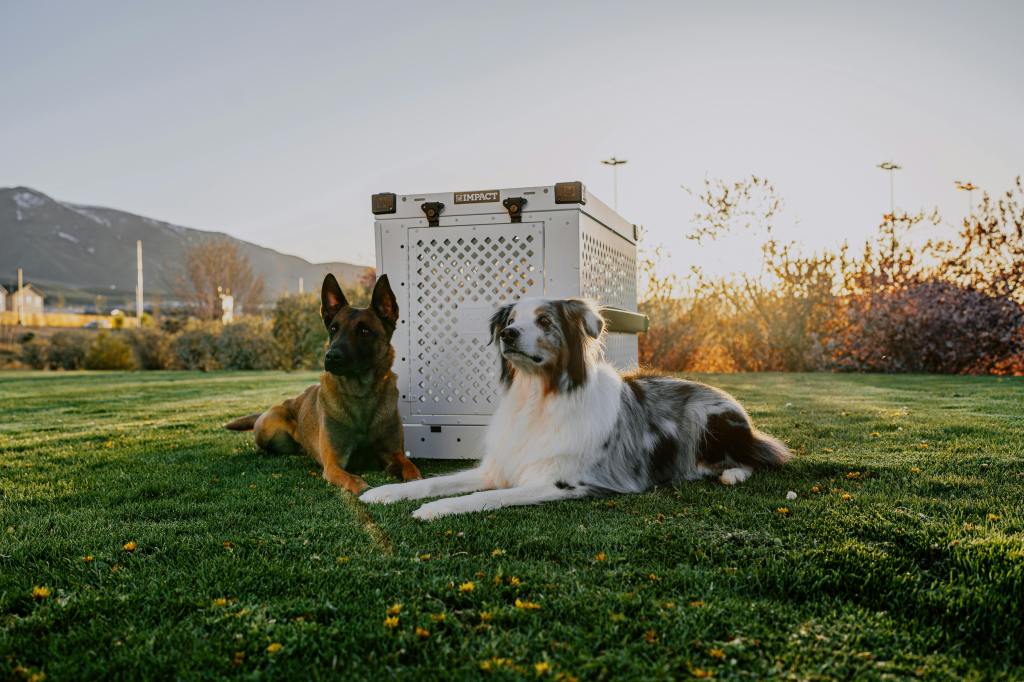
Choose a crate that is both sturdy and comfortable, like those from Impact Dog Crates. These heavy-duty crates provide exceptional durability and a cozy, secure environment for your senior companion.
2. Managing Anxiety and Stress
Older dogs can develop anxiety for various reasons, including cognitive decline or changes in routine. Crate training helps reduce anxiety by offering a familiar space where your dog can feel safe and relaxed.
Benefits of a Crate for Anxiety:
- Routine and Predictability: Helps reduce stress by establishing consistent habits.
- Quiet Retreat: Reduces exposure to stressful stimuli like loud noises or unfamiliar guests.
- Travel and Vet Visits: A crate-trained dog feels more secure when transported in a familiar crate.
Creating positive associations with the crate through treats and praise helps your dog view it as a place of comfort rather than confinement.
3. Aiding with Housebreaking and Incontinence
As dogs age, they may struggle with bladder control or experience accidents indoors. Crate training helps manage these issues by providing structure and routine.
Why It Works:
- Bladder Training: Dogs naturally avoid soiling their sleeping area, reinforcing good bathroom habits.
- Routine Breaks: Crate training helps establish a consistent schedule for potty breaks.
- Protecting Your Home: Prevents accidents when you’re not home to supervise.
According to the National Library of Medicine (NIH), maintaining structured environments helps older dogs cope with anxiety and manage age-related behavioral changes.
4. Preventing Destructive Behaviors
Senior dogs may develop new behavioral issues, such as chewing or digging, as they cope with changes in their health or environment. Crate training limits opportunities for destructive behavior and helps redirect their focus.
Why Crates Help:
- Safe Containment: Reduces the risk of your dog damaging furniture or injuring themselves.
- Controlled Environment: Allows you to manage their behavior when unsupervised.
- Mental Stimulation: Including a chew toy or puzzle feeder in the crate keeps their mind occupied.
Destructive behaviors are often a response to stress or boredom, and a crate can help manage both when used correctly.
5. Supporting Mobility and Comfort
Senior dogs often face mobility challenges due to arthritis or other joint issues. Crate training helps manage their comfort by providing a soft, supportive place to rest.
How to Make It Comfortable:
- Orthopedic Bedding: Use memory foam or supportive mats to ease joint pain.
- Easy Access: Choose a crate with a low-entry door to accommodate limited mobility.
- Warmth and Insulation: Keep the crate in a draft-free area and add a cozy blanket.
A well-designed crate can become your dog’s favorite resting spot, especially when it meets their specific comfort needs.
6. Enhancing Sleep Quality
Older dogs often have irregular sleep patterns or may become restless at night. A crate offers a calm, enclosed space that promotes better sleep.
Why Crates Improve Sleep:
- Reduced Distractions: Helps block out external noises and activities that might disturb your dog.
- Safe and Snug: The crate provides a cozy environment that encourages rest.
- Routine Bedtime: Crating at night signals to your dog that it’s time to wind down and sleep.
Dogs who are crate-trained from a young age often continue to view their crate as a preferred sleeping spot throughout their lives.
7. Easier Travel and Vet Visits
Senior dogs may feel particularly stressed during travel or vet visits. Being crate-trained makes these experiences significantly easier and less anxiety-inducing.
Benefits of Travel Crating:
- Security on the Go: A familiar crate helps your dog feel safe during car rides.
- Less Stress at the Vet: Crating during waiting periods minimizes anxiety.
- Safety During Transport: Prevents your dog from moving around in the vehicle.
8. Preventing Separation Anxiety
As dogs age, they may develop separation anxiety, especially if their routine or environment changes. Crate training helps manage this by giving them a safe space when you’re not home.
Why It’s Effective:
- Structured Routine: Crating becomes a regular part of their day, reducing anxiety when left alone.
- Positive Reinforcement: Rewarding calm behavior in the crate builds a sense of security.
Separation anxiety can be especially challenging in older dogs, but a crate helps create a stable, comforting routine that minimizes stress.
Tips for Crate Training an Older Dog
- Go Slow and Steady: Introduce the crate gradually and positively to avoid stress.
- Make It Cozy: Use supportive bedding and familiar scents to encourage relaxation.
- Use Positive Reinforcement: Treats, praise, and calm encouragement make the crate feel like a safe haven.
- Monitor Behavior: Watch for signs of discomfort or stress and adjust as needed.
- Create a Routine: Use the crate consistently during sleep, rest periods, or when you’re away.
Choosing the Right Crate for Senior Dogs
Older dogs benefit from a durable, comfortable crate that offers security without feeling restrictive. Impact Dog Crates are an excellent choice due to their sturdy construction and thoughtful design. They provide the perfect balance of safety and comfort, making them ideal for older dogs who may be more anxious or prone to chewing.
Final Thoughts: A Safe Haven for Senior Dogs
Crate training older dogs is not just possible—it’s highly beneficial. It provides a sense of security, supports routine, and helps manage behavioral challenges that may arise with age. With patience, positive reinforcement, and a high-quality crate like those from Impact Dog Crates, you’ll give your senior dog a comfortable and safe space to relax and unwind.
By making the crate a positive experience, your older dog will come to see it as a personal sanctuary, giving them comfort and security well into their golden years.
 Top Dog Training Tips
Leave a comment